Award-Winning Remodeling Contractor: Transform Your Home With Expert Design and Quality Craftsmanship
Home renovation can enhance significantly both aesthetics and functionality. A top-rated renovation specialist plays an important role in this transformation. Their proficiency integrates creative planning with quality craftsmanship, ensuring that each project meets the homeowner's vision. However, not all builders are identical. Grasping the key qualities and processes involved is essential for a favorable result. What should property owners evaluate when embarking on this endeavor?
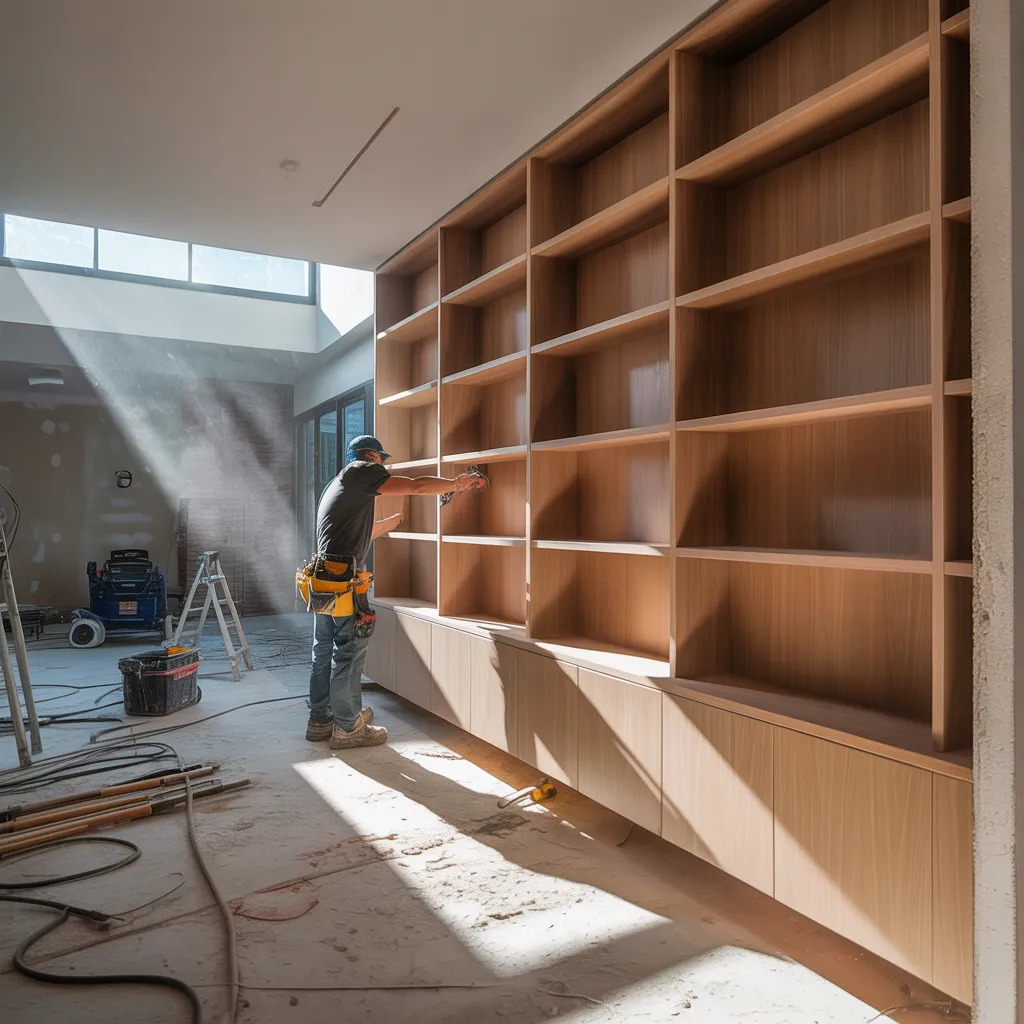
The Importance of Hiring a Top-Rated Remodeling Contractor
When launching a remodeling project, the determination to hire a premier builder can greatly determine the success. A skilled contractor exhibits the competency and experience necessary to navigate the intricacies of home renovations. They can provide valuable insights into design choices, materials, and timelines, ensuring that the project aligns with the homeowner's vision and budget.
Highly-regarded contractors frequently possess positive reviews and a robust portfolio, displaying their past projects and client satisfaction. This standing can instill confidence in homeowners, decreasing worry associated with major renovations. Furthermore, a reputable contractor is apt to possess established relationships with suppliers and subcontractors, which can lead to better pricing and superior material standards.
Ultimately, hiring a top-rated remodeling contractor not only boosts the potential for a thriving project but also fosters a collaborative environment where ideas and creativity bloom, resulting in a renovated home that showcases the homeowner's objectives.
Essential Attributes to Evaluate When Selecting a Remodeling Contractor
Locating the perfect renovation specialist extends beyond merely reviewing testimonials and past work; it requires identifying particular characteristics that ensure a successful partnership. First, a reputable contractor should possess excellent interpersonal abilities, ensuring that they can clearly articulate ideas and understand client requirements. Next, expertise in the specific type of remodeling project required is essential, as it demonstrates a proven track record of excellent craftsmanship. Additionally, a skilled professional must be properly certified and covered, providing peace of mind regarding liability and safety. Dependability is yet another essential characteristic; a contractor must adhere to schedules and costs, reducing unforeseen setbacks. Ultimately, a solid portfolio displaying varied finished work demonstrates an ability to adapt to various styles and client preferences. By concentrating on these qualities, homeowners can choose wisely when hiring a remodeling contractor, ultimately resulting in a successful home transformation.
Widely Chosen Remodeling Options to Examine
Homeowners regularly encounter a broad selection of possibilities when evaluating remodeling projects, each providing distinct advantages and upgrades. Kitchen renovations are among the most sought-after projects, which can substantially improve practicality and visual charm. Refreshing countertops, cabinets, and appliances not only enhances the space but also increases the property value of the home.
Bathroom remodels are yet another preferred option, providing a haven for rest and grooming. Homeowners frequently opt for contemporary fixtures, elegant tiling, and better layouts to boost comfort.
In addition, basement finishing has picked up momentum as a means to expand living space, establishing versatile areas for social gatherings and remote workspaces.
Exterior improvements, such as deck additions or landscaping, also remain in demand, allowing homeowners to maximize their outdoor delight. Each of these works not only transforms the living surroundings but can also yield a substantial return on investment.
The Design Approach: Teamwork With Your Contractor
The creative phase in remodeling calls for a vital collaboration between the homeowner and the contractor. During the initial consultation meeting, dreams and designs are shared, establishing the base for the initiative. Following that, design refinements manifest, permitting adjustments and ultimately leading to authorization before actual construction starts.
Beginning Meeting Appointment
How does an opening consultation session create the framework for a effective renovation? This pivotal first step permits homeowners and contractors to develop a mutual understanding of the objectives and vision for the project. During this meeting, clients present their budget, ideas, and requirements, while contractors examine the space and provide insights on feasibility. Effective communication is critical, as it fosters teamwork and trust between both parties. Contractors may also present portfolios of prior projects, offering concepts and highlighting their proficiency. By tackling any worries and discussing timelines, the initial consultation lays the groundwork for a successful partnership. At the end of the day, this meeting is essential for coordinating objectives and ensuring that the remodeling project commences on a strong base.
Design Cycling and Validation
Throughout the design process, partnership between homeowners and contractors is vital for perfecting the project vision. This phase highlights open communication, allowing both parties to exchange ideas, preferences, and concerns. Contractors deliver initial design concepts based on the homeowner's input, which promotes iterative revisions. Each design iteration acts as a step toward the final layout, incorporating feedback and making necessary adjustments. Homeowners should feel confident to express their thoughts, ensuring the design reflects their aspirations. Approval of the final design represents a major milestone, cementing the project blueprint. This joint effort nurtures a sense of ownership and satisfaction, paving the way for successful implementation and ultimately transforming the home into a personalized living space.
Learning About the Expenses of Home Renovation
Grasping the expenses related to home renovation is essential for any homeowner planning a project. Budgeting effectively requires not only considering the primary expenses but also identifying hidden charges that may arise during the renovation process. Understanding of these financial factors can help guarantee a easier and more successful renovation experience.
Developing Your project finances
Budgeting for a home remodeling project demands careful consideration of various costs involved. Homeowners should begin by establishing the scope of the project, which will significantly impact the total budget. Key expenses typically encompass materials, labor, permits, and design fees. It is important to investigate and obtain quotes from multiple contractors to establish a realistic estimate. Additionally, homeowners should consider whether they will complete any of the work themselves, which can reduce labor costs. Establishing a contingency fund is also prudent, as it enables for unforeseen expenses that may arise during the remodeling process. By thoroughly evaluating these factors, homeowners can develop an comprehensive budget that corresponds with their financial capabilities and project goals.
Secret Fees To Know About
While property owners often concentrate on the major expenses of a remodeling project, they may overlook several hidden costs that can significantly impact the overall budget. These expenses can encompass licenses and evaluations, which differ based on location and project type. Unforeseen structural issues, such as deterioration or obsolete electrical systems, may also arise during remodeling work, requiring extra money. Property owners should also account for the costs of temporary housing if the undertaking requires substantial labor. In addition, design changes throughout the project can lead to increased expenses, as can the selection of high-end materials. Finally, post-remodeling costs, such as new furnishings or yard work, can additionally strain the budget. Awareness of these concealed costs is crucial for sound budget management.
Strategies for a Successful Home Renovation Journey
A successful home renovation undertaking depends on careful planning and clear communication. Homeowners have to start by setting a achievable budget and timeline, factoring in potential delays and unexpected costs. Working with a reputable remodeling contractor is crucial; they bring knowledge and can offer insights key resource that reduce time and money.
Homeowners should also develop a comprehensive design blueprint, featuring materials and finishes, to ensure a cohesive vision. Frequent meetings with the contractor support alignment on progress and resolve any concerns quickly. Communication should remain open and proactive, promoting a team-oriented environment.
Furthermore, it's advisable to prepare for disruptions by creating a temporary living space, particularly for larger projects. In the end, patience is key; renovations can be taxing, but a constructive mindset will contribute to a smoother process and satisfaction with the final outcome. By following these tips, homeowners can improve their renovation experience and accomplish their desired results.
Often Posed Questions
What Duration Does a Common Remodeling Project Typically Take to Finish?
A standard remodeling project can take anywhere from a few weeks to several months to finish. Factors affecting the duration include project size, complexity, and the efficiency of the contractor and trades involved.
What Formats of Protections Do Remodeling Contractors Supply?
Remodeling contractors typically give warranties on skilled work, materials, and appliances. These warranties can range from one year to a lifetime, according to the contractor and specific project details, ensuring confidence to homeowners regarding quality and durability.
What Processes Should I Take to Confirm a Contractor's Credentials and Protection?
To verify a contractor's credentials and coverage, one can examine state licensing boards and online databases. Additionally, obtaining copies of insurance documents directly from the contractor guarantees coverage is up-to-date and meets required standards.
What May I Do if I'm Dissatisfied With the Work?
In case dissatisfaction develops, the homeowner should discuss issues directly to the contractor. Document problems, evaluate the contract, and work toward amicable resolution. If remaining unresolved, consider dispute resolution or contacting local regulatory authorities for supplementary assistance.
What Payment Solutions Are Possible for Home Remodeling Projects?
Many renovation specialists provide various payment solutions, including individual credit, home equity lines of credit, and payment plans. Property owners should explore such choices to discover a solution that fits their budget and project needs efficiently.